Quick verdict
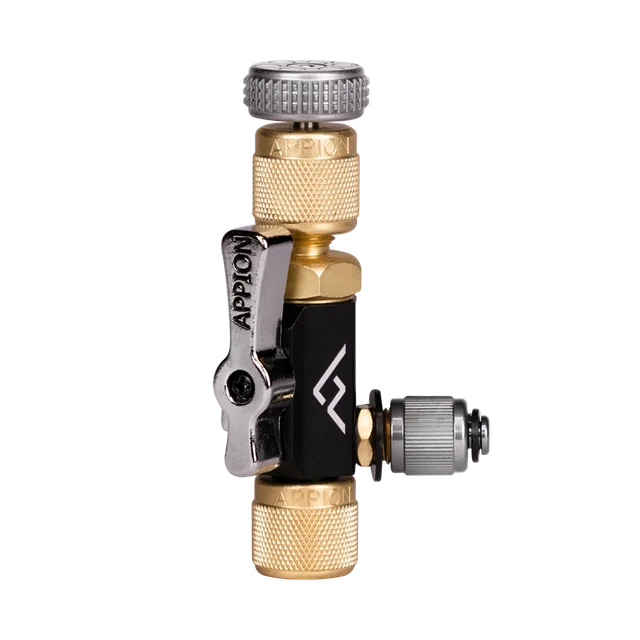
The Appion MGAVCT is the 1/4-inch valve core removal tool in this family. Consider it for permitted evacuation or recovery procedures where a removable core is a restriction, but verify the fitting, stem clearance and measurement path before assuming it will improve the complete setup.
It is a small purchase with several practical dependencies: fitting size, clearance, seal condition and familiarity with the tool. We have not tested its grip, leakage or handling. Appion’s product page also excludes Amazon and eBay as approved distributors, so this article includes the manufacturer route and no affiliate purchase link.
Who should consider it
Technicians who regularly evacuate or recover through removable-core service ports may find this type of tool worthwhile. First establish that the installed equipment’s service procedure permits the intended core handling. A general buying guide cannot determine whether every port on a particular machine is suitable.
Avoid buying by appearance alone. Similar-looking models can have different system connections, and the right threaded connection is only part of fit. Check the room around the port, the space needed by the stem and how hoses will leave the tool once everything is assembled.
Documented specifications
The MGAVCT product page and valve-core tool brochure identify the connections and ratings below. MGAVCT and MGAVCR are different part numbers and should remain distinct when ordering.
| Specification | Manufacturer documentation |
|---|---|
| Model and system fitting | MGAVCT; 1/4-inch female flare to 1/4-inch male flare |
| Published working pressure | 800 PSI; verify against the complete connected setup |
| Published vacuum rating | 20 microns; a tool rating, not a completed-system target |
| Side port | 1/4-inch service-gauge port |
| Stem features | Adjustable tip and magnetic base |
| Other size in this family | MGAVCR has the 5/16-inch system connection; it is a different model |
Removing a restriction is not a guaranteed time saving
Appion’s evacuation quick-start guide explains its full-flow approach and includes valve-core removal in that arrangement. The practical buying argument is that a restriction should be considered before spending money on a larger pump or machine.
That does not establish how many minutes this tool will save on your jobs. Another connection, the condition of the system or the overall procedure may still determine progress. We have not validated a universal reduction in recovery or evacuation time and would not use one as a purchase promise.
A useful evaluation records the original arrangement and changes one relevant factor while preserving the rest. If a controlled change improves the result, it supports a narrower conclusion about that arrangement. It does not show that every slow job has the same cause.
MGAVCT vs. MGAVCR: fitting size and clearance
The product documentation identifies MGAVCT as the 1/4-inch version and MGAVCR as the 5/16-inch system-connection version. Check your equipment’s service-port specification instead of assuming that the model commonly carried by another technician will cover your work.
Ask a supplier to demonstrate the complete movement of the stem and hose arrangement on an appropriate unpressurized example. Look for nearby panels, valves and equipment surfaces that could interfere. An adapter may change both reach and the number of sealed joints, so compare the whole setup rather than its nominal thread size alone.
What does the MGAVCT side-port gauge measure?
The brochure documents a side port and a double O-ring seal. A side port can be useful, but the meaning of a connected gauge depends on the actual valve positions and connected volumes. Do not assume that every convenient-looking port remains connected to the system after a valve closes.
Before relying on a reading, trace the arrangement and state which volume it represents. This is particularly useful when interpreting a vacuum rise or deciding whether a connection is isolated. A clean diagram or labeled job note can prevent a plausible number from being assigned to the wrong part of the setup.
The 20-micron vacuum rating describes the tool. It does not set a universal evacuation target, demonstrate that the connected arrangement is leak free or prove a completed system is dry. Acceptance belongs to the applicable equipment procedure and observations made under the required conditions.
Working pressure is a limit to preserve
Appion lists an 800 PSI working pressure for the MGAVCT. Compare that with every component and the exact job requirement. A component rating does not increase the permissible pressure of a lower-rated hose, fitting, gauge or equipment connection.
This article is a buying assessment, not a sequence for removing a pressurized core. Use the manufacturer’s full instructions and the equipment procedure with appropriate training. Before purchase, make sure the supplier can explain the tool and provide the documentation needed for the work you intend to authorize.
Seals, stem and support
Appion lists an AY0539 replacement magnet stem assembly as compatible with MGAVCT and MGAVCR. That is useful evidence of a documented replacement route; it does not establish current stock or the cost of every repair. Confirm exact parts with the distributor before ordering.
Keep clean storage and inspection in the ownership plan. A small fitting that gets lost or contaminated can interrupt an otherwise well-equipped job. Current tool, seal and replacement-stem prices have not been verified, and we have no accumulated-use evidence on which to base a durability claim.
Buying checklist
- Confirm MGAVCT for a 1/4-inch system connection; identify separately whether you need MGAVCR.
- Check stem travel, hose routing and service-port clearance.
- Match the published working-pressure and vacuum ratings to the complete arrangement.
- Ask for the correct instructions, replacement-part support and authorized distributor status.
- Understand which volume a side-port gauge measures in each intended valve state.
The MGAVCT earns consideration when correct fit and deliberate use remove a known restriction in your service setup. Buy the exact part through a supported channel and treat ratings, valve positions and measurement context as part of the decision. This review provides documentation-based analysis, with no independent pressure, vacuum or field-use test.
Manufacturer specification reference
Appion · MGAVCT · MGAVCT 1/4-inch Valve Core Removal Tool
These are manufacturer specifications, not independently measured results.
- Model and system fitting
- MGAVCT; 1/4-inch female flare to 1/4-inch male flare
- Published working pressure
- 800 PSI; verify against the complete connected setup
- Published vacuum rating
- 20 microns; a tool rating, not a completed-system target
- Side port
- 1/4-inch service-gauge port
- Stem features
- Adjustable tip and magnetic base
- Other size in this family
- MGAVCR has the 5/16-inch system connection; it is a different model
Related BAS Bridge learning
Sources & verification
Follow the current manufacturer instructions for your exact model. Specifications and source revisions can change.
- Appion MGAVCT product page ↗
Exact model, 1/4-inch connections, 800 PSI working pressure and explicit Amazon/eBay distributor exclusion.
Checked Oct 29, 2026 · Source publication date: Unknown - Appion valve core removal tool brochure ↗
MGAVCT/MGAVCR size distinction, 20-micron vacuum rating, side port, double O-ring seal, magnetic base and adjustable tip.
Checked Oct 29, 2026 · Source publication date: Unknown - Appion MegaFlow Basics evacuation quick-start guide ↗
Manufacturer full-flow arrangement and measurement-location guidance; not independent proof of a universal time saving.
Checked Oct 29, 2026 · Source publication date: Unknown - Appion AY0539 magnet stem assembly ↗
Manufacturer compatibility listing of the replacement magnet stem assembly for MGAVCT and MGAVCR.
Checked Oct 29, 2026 · Source publication date: Unknown - Appion MGAVCT official product image ↗
Exact-model image linked from the manufacturer product page and visually checked for product identification. The image is not evidence of BAS Bridge ownership or testing.
Checked Oct 29, 2026 · Source publication date: Unknown
Editorial context
Prepared by BAS Bridge from linked manufacturer documentation and original buying analysis. This article does not claim firsthand use or independent performance measurements.
Manufacturer product information and operator documentation were checked on October 29, 2026. Practical buying conclusions are editorial analysis; no physical testing or service-call experience is claimed.
No current price, stock level, customer star rating, or measured reliability rate is implied.
Methodology & disclosure →